10 Aquarium Fish Stress Signals Owners Notice Too Late
Aquarium fish rarely show obvious signs of stress, so owners often miss early warning signals. Before this stress leads to serious illness, they may show subtle behavioral changes. Fish may stop eating, drift into corners, lose color, or breathe faster without much warning. Paying attention to these small shifts can help prevent bigger problems later.
Faded Colors
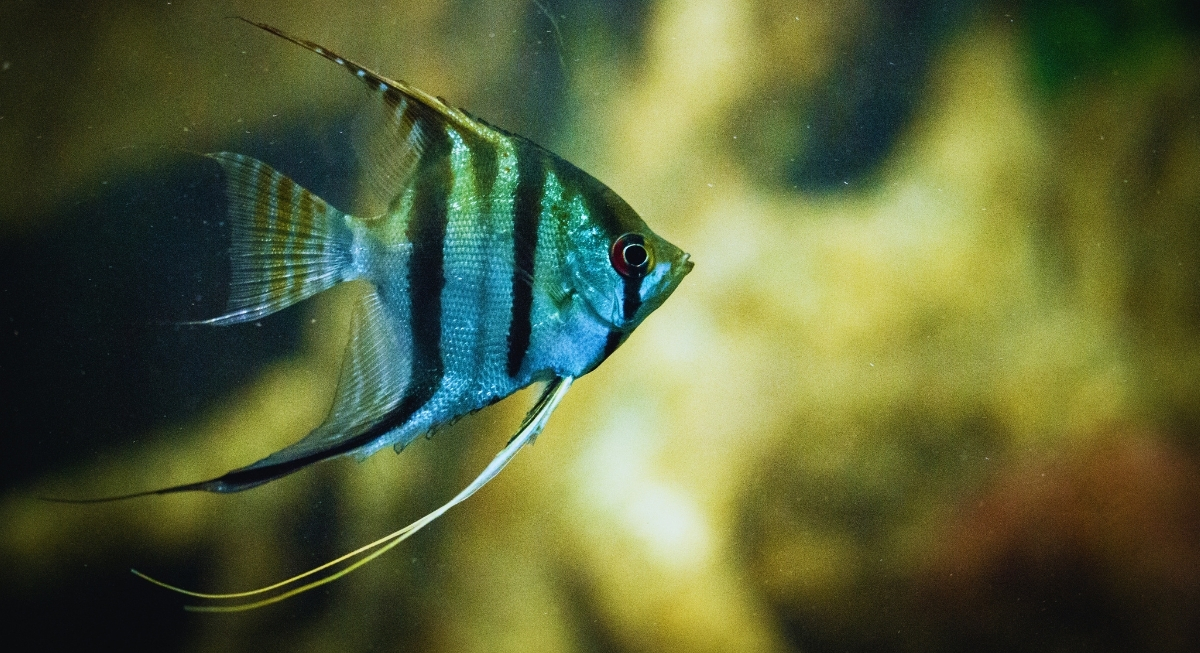
Credit: Canva
A fish that suddenly looks dull may already be struggling with stress hormones. Angelfish, tetras, and bettas often lose vibrancy after aggressive encounters or poor water quality. Owners sometimes blame tank lighting instead. Fish can temporarily pale during sleep, though color loss that lasts through the day deserves attention.
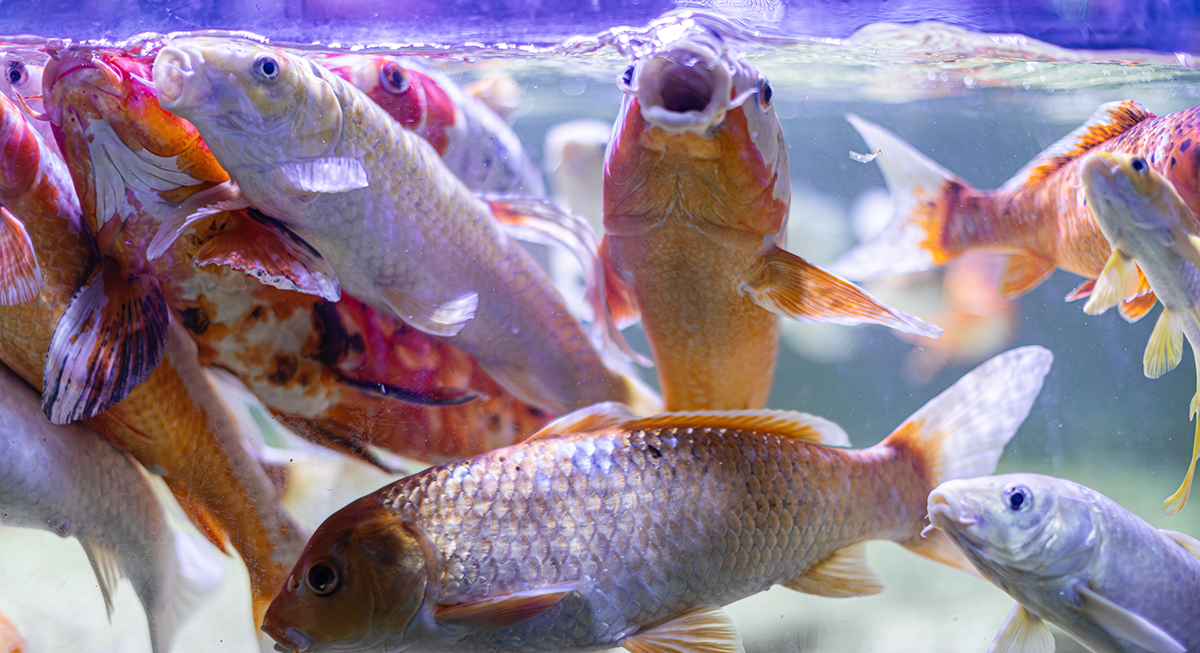
Hanging Near The Surface
Credit: iStockphoto
Many species rise toward the surface when oxygen levels drop. Warm water holds less oxygen than cooler water, which explains why overcrowded tanks often trigger this behavior during summer. Fast gill movement usually appears alongside it. Fish gasping near the surface may also react to ammonia irritation.
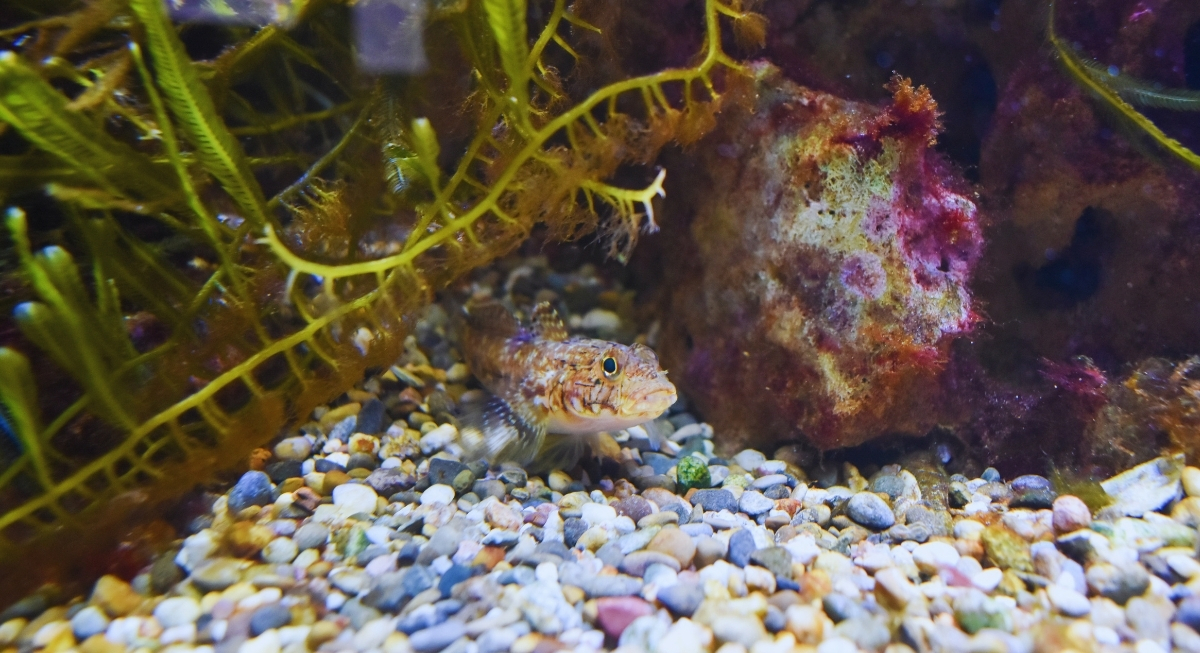
Sudden Hiding
Credit: Getty Images
A fish that hides after a tank clean may just be settling in. But if it keeps hiding for long, something is wrong. Tankmates might be stressing it, or the lighting could be too strong. In nature, many fish rely on plants and caves, so an empty tank can make them feel exposed all the time.
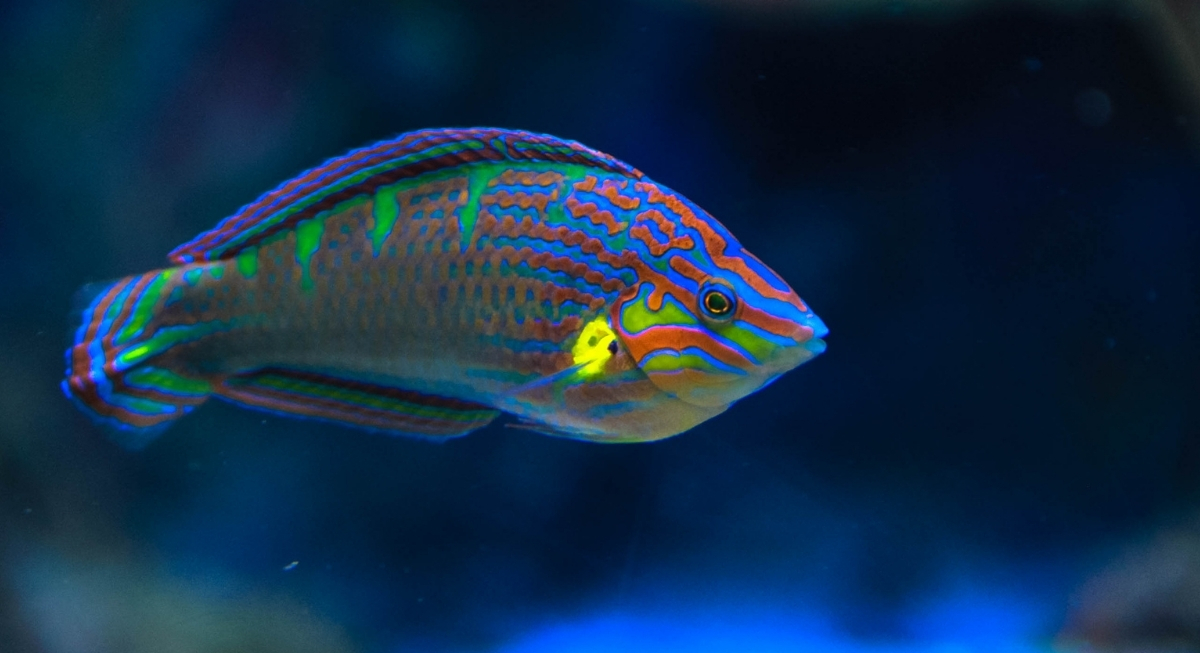
Fast Gill Movement
Credit: pexels
When fish start struggling with oxygen or toxins, their gills move faster than normal. Poor water quality is often the main cause. Ammonia can irritate the gills and lead to extra mucus buildup, making breathing harder. In response, fish try to push more water over their gills to get enough oxygen.
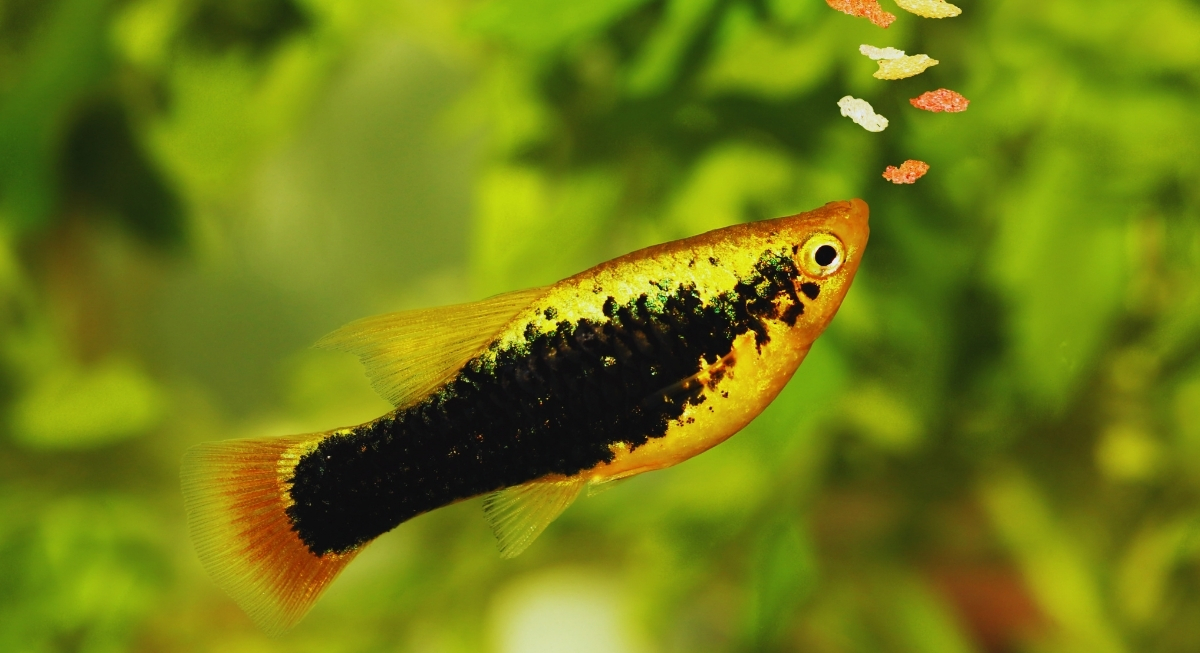
Refusing Food
Credit: Getty Images
A healthy aquarium community usually reacts to feeding within seconds, especially species like guppies or cichlids. Stress changes that routine quickly. A fish under pressure spends more time staying alert than searching for food. Bullying inside the tank can trigger it. Incorrect diets also play a role.
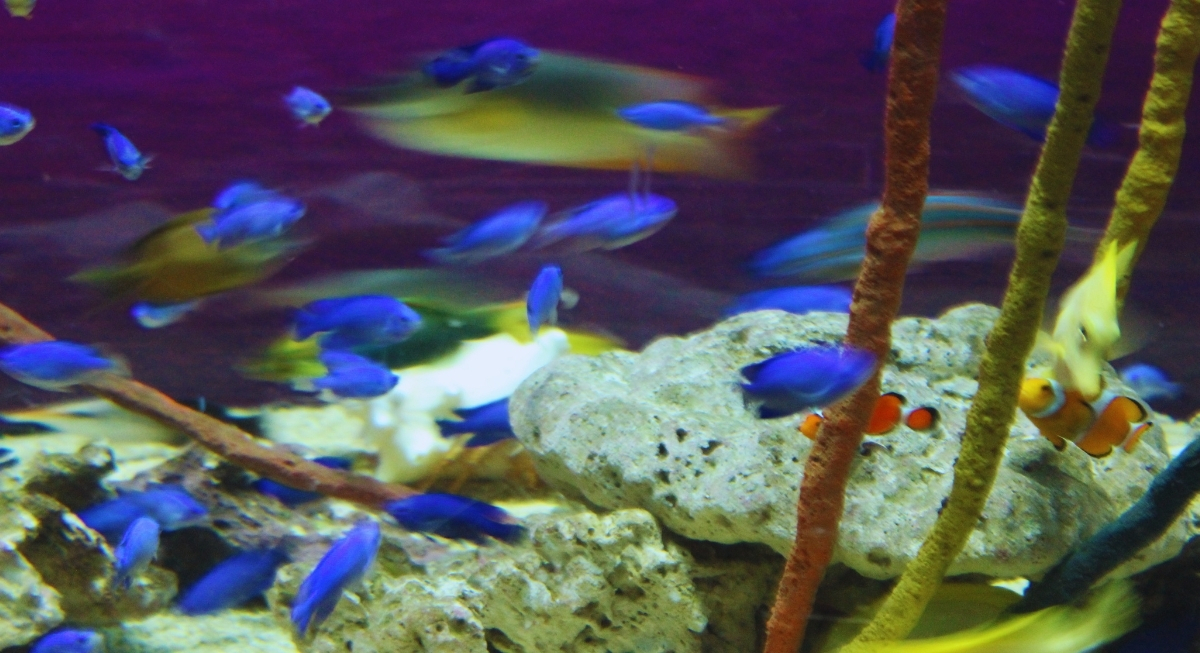
Darting Around The Tank
Credit: Getty Images
Fish darting into glass walls or decorations are usually reacting to irritation or fear. Sudden movements around the aquarium can trigger panic responses. Water chemistry problems can create the same reaction. In nature, frantic swimming helps fish escape danger. Inside an aquarium, there is nowhere for them to go.
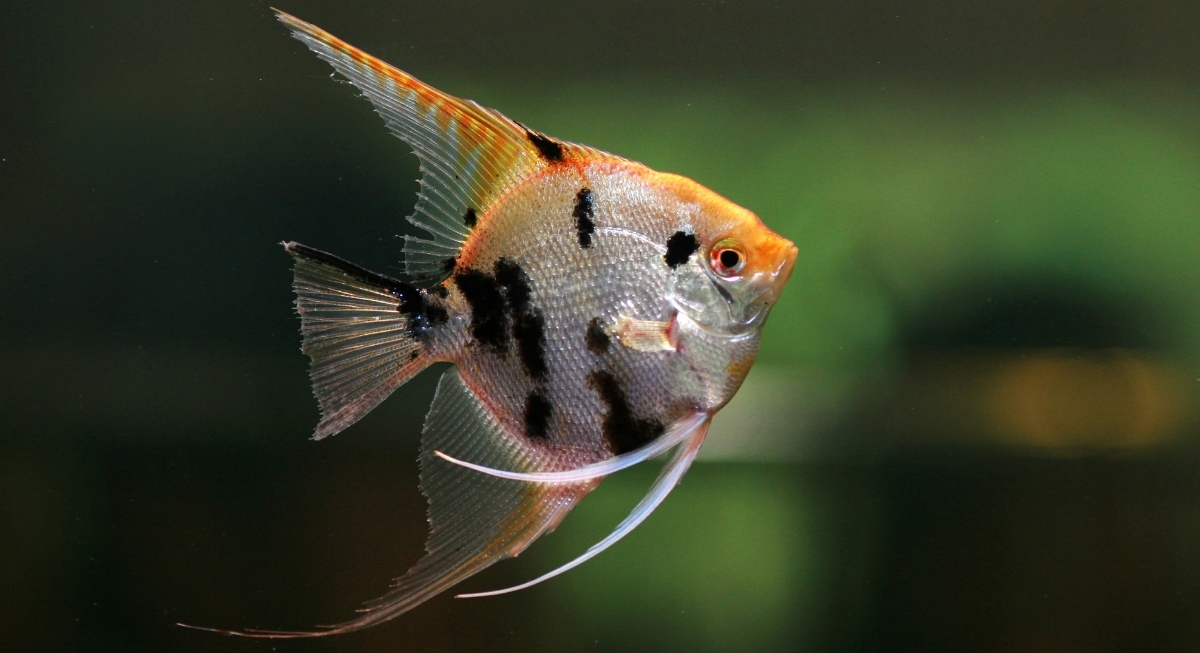
Clamped Fins
Credit: pexels
Stressed fish pull their fins tightly against their bodies, creating a pinched appearance that many beginners overlook. Illness or unstable conditions often trigger fin clamping. Goldfish commonly show it during temperature swings after large water changes. The behavior can linger for days if the problem continues. Fish conserving energy tend to move less as well.
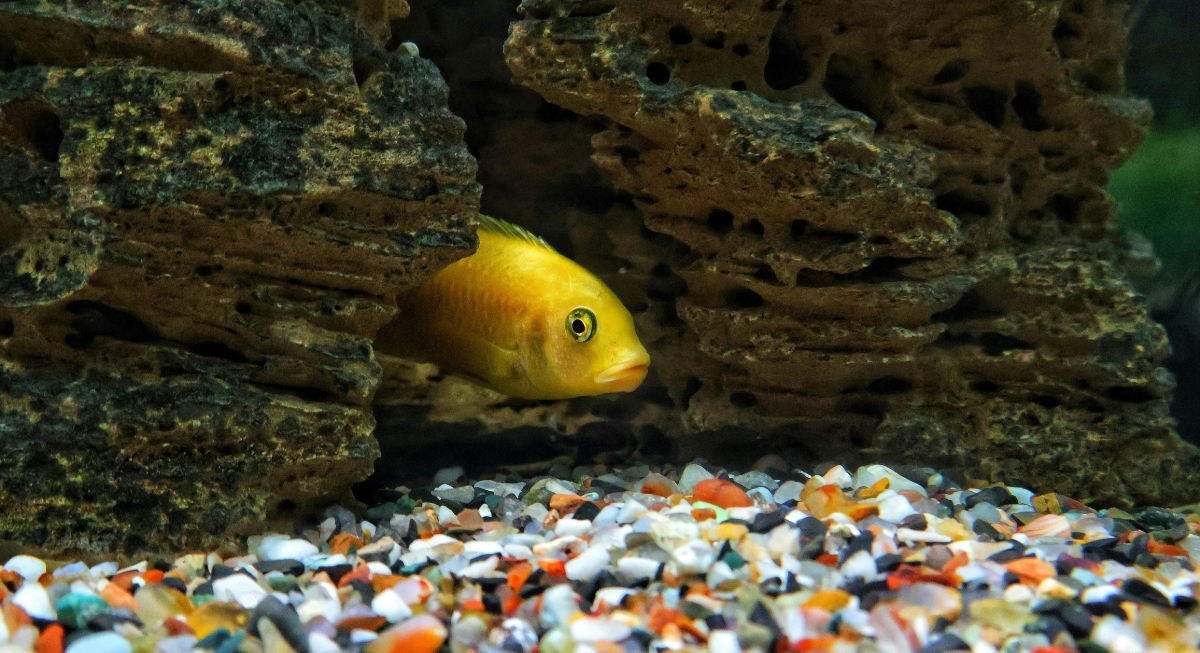
Rubbing Against Objects
Credit: pexels
Fish scraping themselves against rocks or decorations are not simply being playful. Aquarists call this flashing, and it often indicates irritation of the skin or gills. Poor water conditions and parasites such as ich can trigger it. Flashing becomes dangerous when the scales get damaged during repeated rubbing. Open wounds also create opportunities for infection.
Strange Resting Positions
Credit: Getty Images
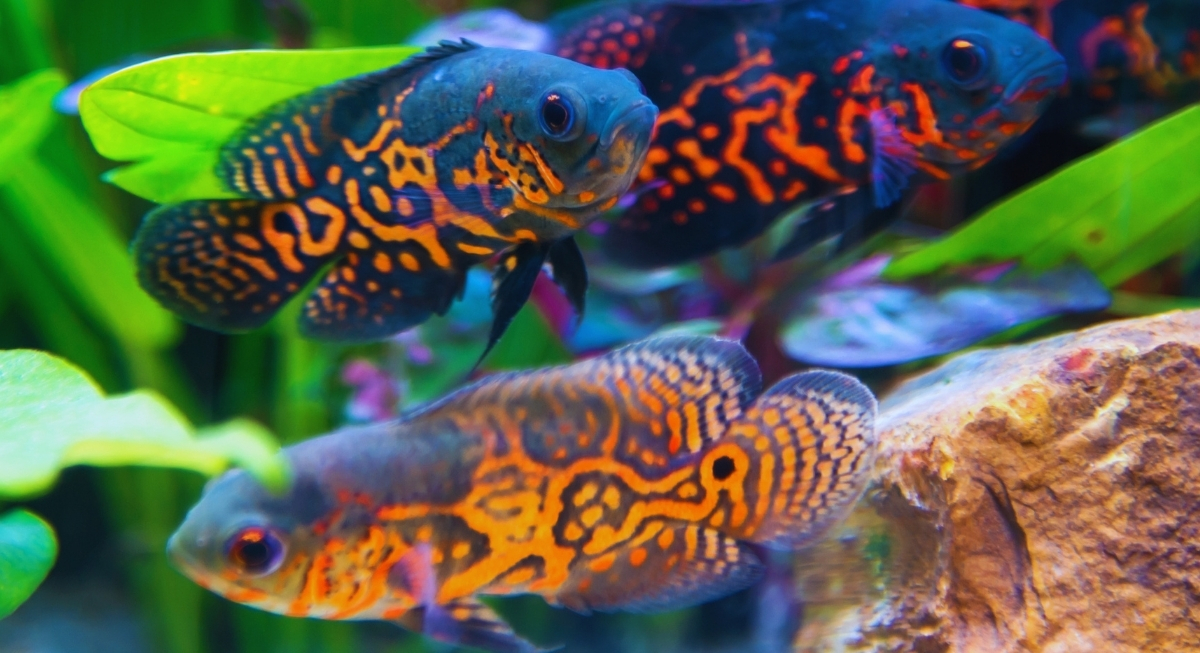
Certain fish naturally lounge in odd positions, which makes stress harder to identify. Oscar fish may tilt sideways during rest, and clown loaches often pile together on the substrate like sleepy puppies. Trouble starts when active fish remain motionless for long periods or struggle to respond when approached.
Tank Bullies Taking Over
Credit: Pexels
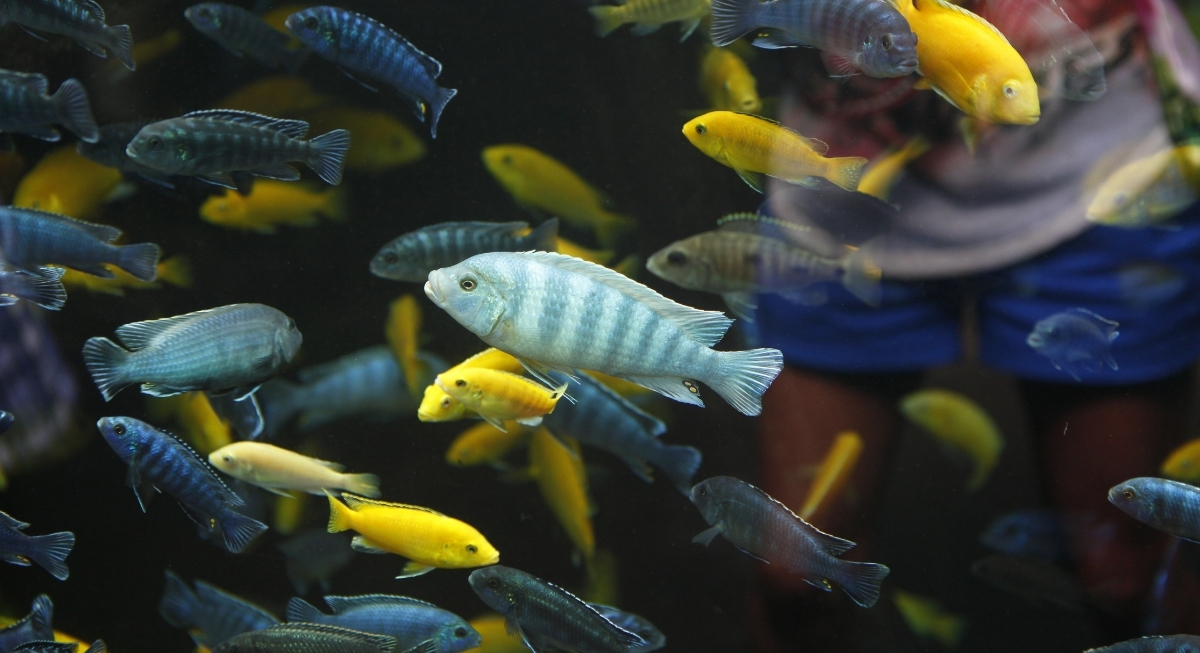
Social tension creates plenty of problems on its own. Territorial fish may chase weaker tankmates constantly without causing visible injuries. Bettas, cichlids, and certain barbs are known for aggressive behavior in cramped tanks. Trouble also appears when owners keep too many males together. Fish forced to compete nonstop often lose weight and hide more often.