Dog Walker vs. Daycare vs. Pet Sitter: A Cost-and-Benefit Breakdown for Working Pet Owners
Leaving a dog alone for a full workday can quickly become a problem, especially when they have energy to burn or need regular bathroom breaks. For most working pet owners, the real decision is not whether they need help, but what kind of support actually fits their routine and their dog’s needs.
Dog walkers, daycare centers, and pet sitters all offer different kinds of care. Each comes with its own cost, level of attention, and daily structure. The best choice usually comes down to a mix of practical factors like budget and work hours, along with your dog’s age, temperament, health, and how well they handle being alone.
For Lowest Daily Cost
Credit: pexels
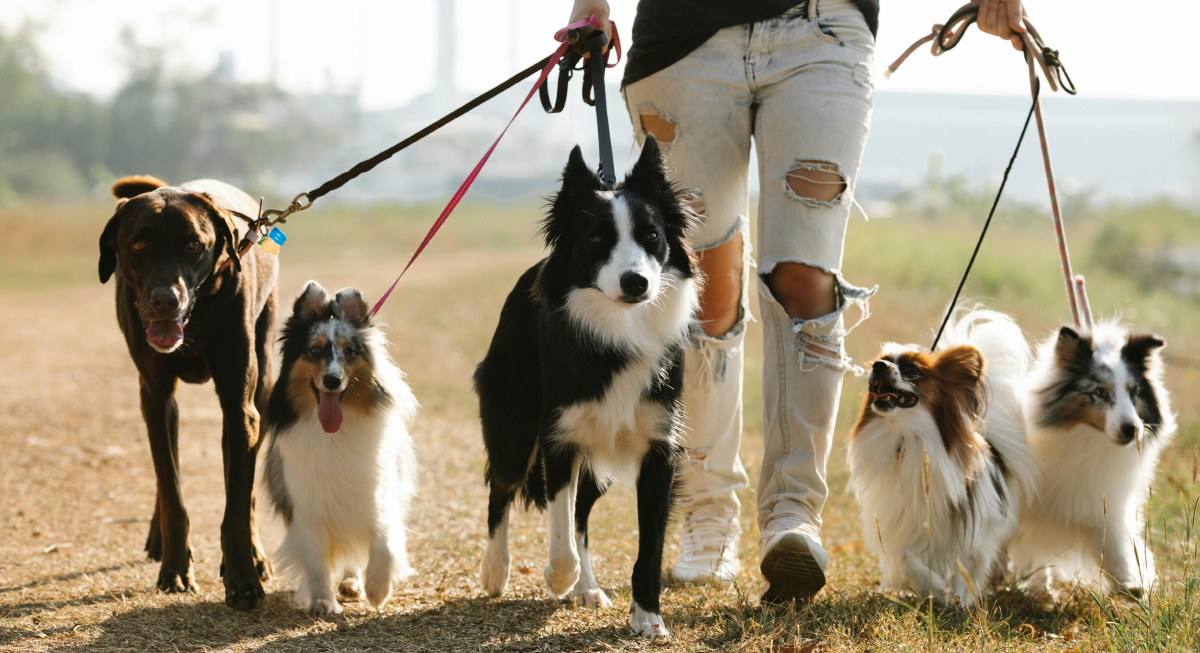
A dog walker is usually the cheapest option because you’re only paying for a short visit instead of hours of care. In the U.S., a 30-minute walk typically costs about $15 to $30 depending on location and experience. It’s best for dogs that can stay home alone most of the day but still need a bathroom break and a bit of exercise. It won’t fully address loneliness, but it keeps costs low while making the day more manageable for the dog.
For Social Dogs

Credit: pexels
Doggy daycare is a good fit for social dogs that like being around other dogs and staying active. They get supervised play and interaction throughout the day, which keeps them engaged instead of sitting alone at home. The tradeoff is cost, usually around $35 to $51 per day, depending on location and facility. It works best for confident dogs, while shy or reactive dogs may find it stressful.
For Exercise Breaks
Credit: pexels
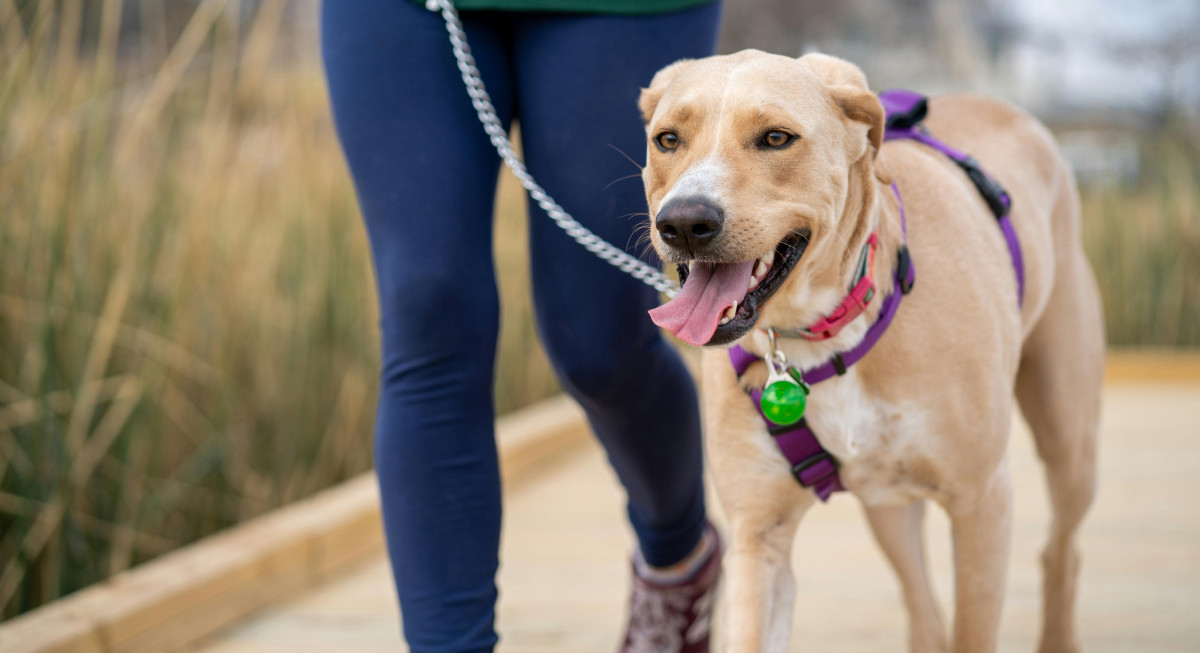
For owners who mainly want movement, a dog walker is the most beneficial. The main job of the visit is to get the dog outside for a stretch and a bathroom break. That structure can work well for dogs that need routine but not full-day supervision. Daycare is also good for activity, but the exercise comes through play and facility routines rather than a focused walk. Pet sitters can include walks, too, though exercise may be only one part of the visit. Some dogs need a predictable midday outing.
For Dogs With Special Routines

Credit: pexels
A pet sitter is the most personalized option because care is focused on your dog in their own home. They can stick to feeding schedules, administer medication, and maintain consistent routines while also noticing any changes in behavior. It’s usually more expensive, with one-hour visits often costing around $21 to $45, and overnight care costing more. It makes the most sense for puppies, senior dogs, anxious pets, or dogs with medical needs that need closer attention throughout the day.
For Dogs That Get Lonely
Credit: pexels
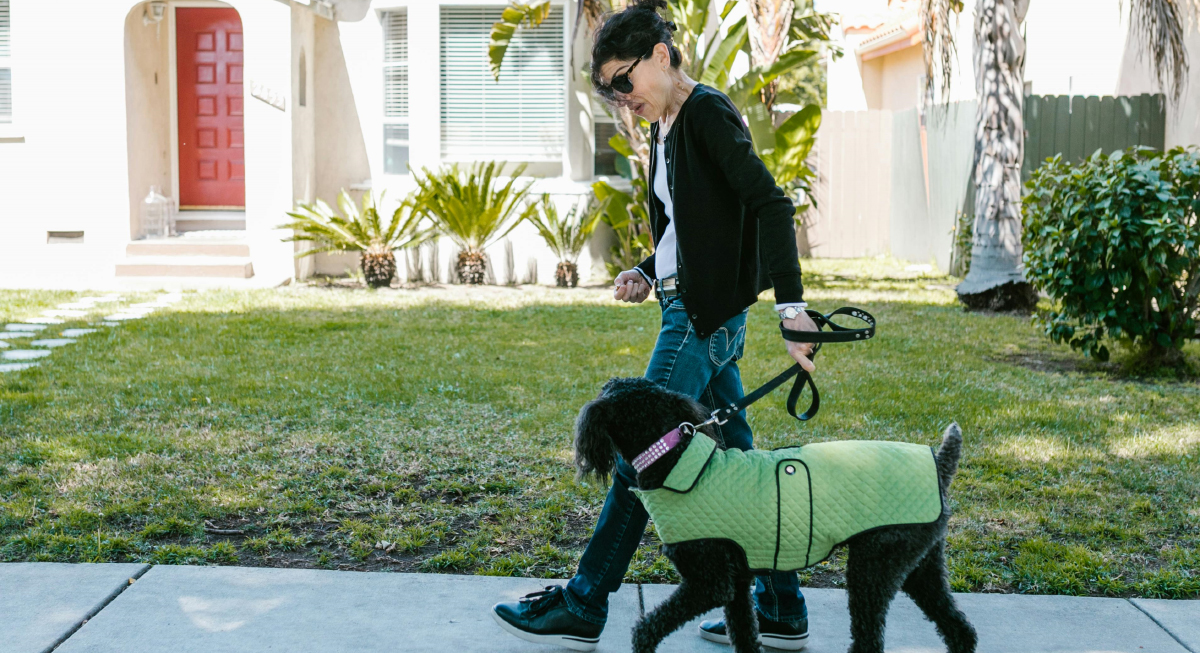
Some dogs do fine alone after a walk. Others struggle when the house is empty for hours. The latter need human presence, which the companiopnship of a pet-sitter can provide. This option works especially well for dogs that prefer familiar surroundings. The dog stays home, follows a normal routine, and gets attention. It costs more than a basic walk, but it also provides a steady company during the hours when loneliness is most likely to build.
For Simple Scheduling

Credit: pexels
Dog walkers fit easily into many workdays. Once the schedule is set, the walker arrives, takes the dog out, and leaves. Owners do not need to drive anywhere before work or rush to pick up a dog before closing time. Daycare requires drop-off and pickup, which can add stress to a commute. Pet sitting removes transportation from the equation, but it requires more trust and coordination because someone spends time inside the home.
For All-Day Activity

Credit: pexels
Dogs with high energy may need more than a single walk to stay settled. Daycare gives active dogs several hours of movement, stimulation, and supervised interaction. That can help reduce boredom-related behaviors at home. The cost is higher than a walk, but the service covers more hours. As long as the dog handles groups well, daycare has strong value. It may also reduce the need for multiple walks, extra enrichment toys, or long evening exercise sessions after work when you’re tired.
For Healthy Adult Dogs

Credit: pexels
A healthy, calm adult dog may not need daycare or pet sitting. If the dog can rest comfortably for most of the day and only needs a bathroom break, a walker may cover the essentials at the lowest cost. This option works best when the dog has a stable routine, no major anxiety, and no medical issues requiring daytime monitoring. The dog gets exercise and relief, while the owner avoids paying for care the dog does not actually need.