10 Most Common Dachshund Behavior Problems and What to Do About Them
Anyone who shares a home with a Dachshund knows these dogs have strong opinions about almost everything. They can be affectionate, clever, and entertaining, but they also have a habit of doing things their own way. Many of the behaviors owners struggle with, from constant barking to stubbornness, trace back to the traits that once made Dachshunds successful hunting dogs. Understanding why these habits happen is the first step toward managing them and helping your dog become a better companion.
Barking At Every Sound
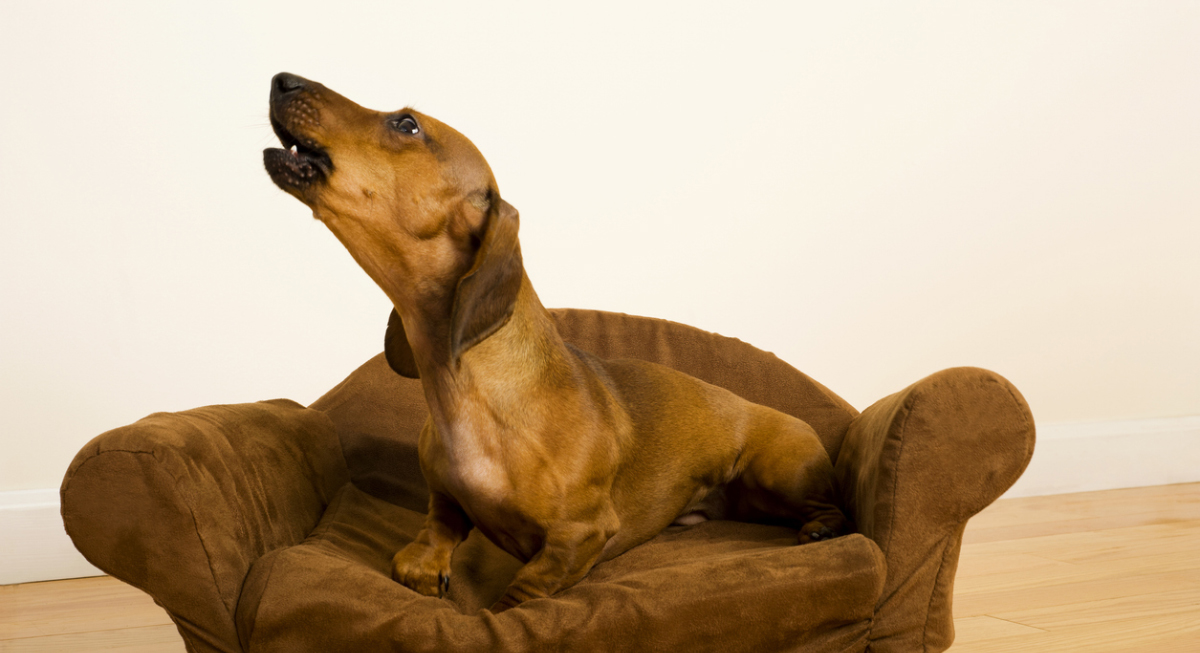
Credit: iStockphoto
A delivery truck, footsteps outside, or a neighbor’s car door can send a Dachshund into a barking fit. Their hunting background made them highly alert to movement and sound. Rather than expecting silence, focus on reducing the barking. Teach a “quiet” command and reward the first pause. Closing curtains can block common triggers. A short game before busy times of day can also make outside noises less exciting.
Pulling On Walks
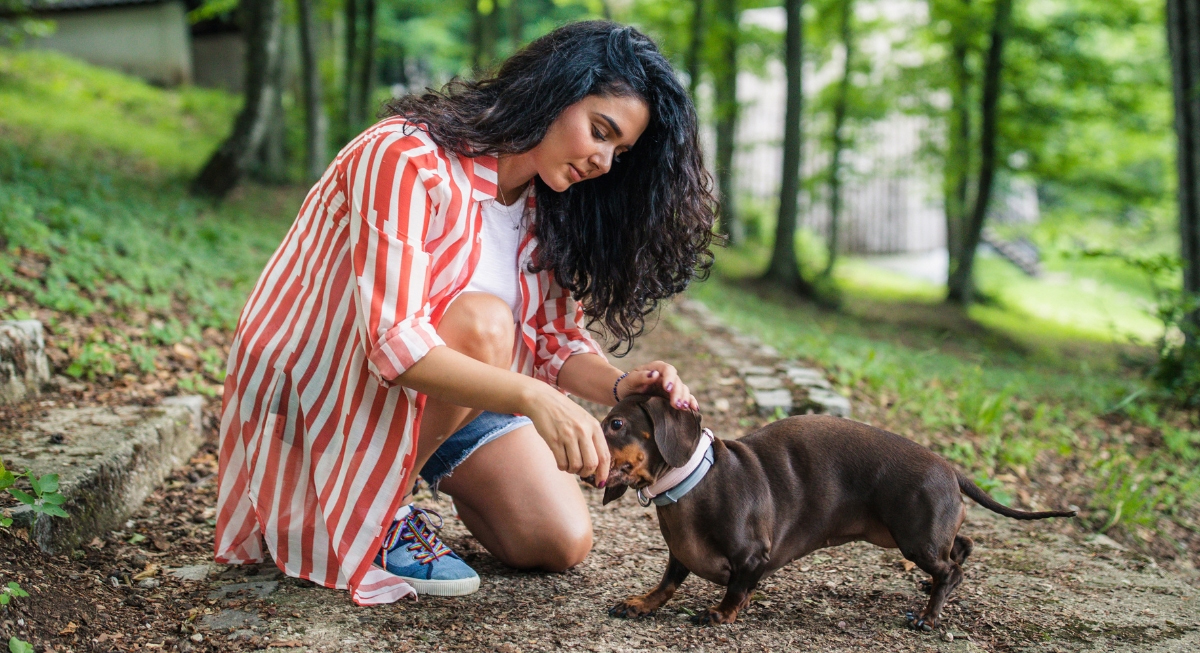
Credit: Getty Images
Walks can get frustrating when your Dachshund decides a scent is more important than staying by your side. Keep treats handy and reward them when they walk near you. If they start pulling, turn and walk the other way instead of following. A secure harness helps protect their neck. Many Dachshunds also handle walks better when they get out several times a day instead of saving all that energy for one outing.
Leash Reactivity
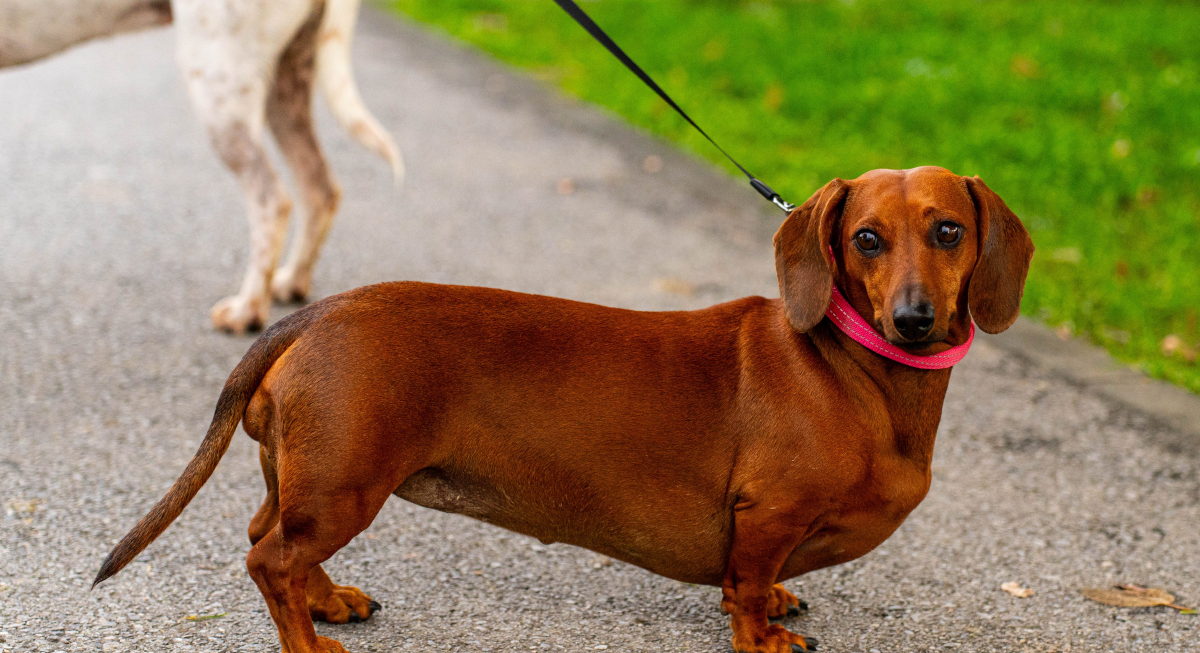
Credit: pexels
Many Dachshunds struggle to stay relaxed when another dog appears on a walk. If yours starts barking or lunging, don’t rush closer. Give them some space and let them settle before moving on. When they can look at the other dog without reacting, reward that moment with a treat. With practice, your Dachshund can learn that every dog they see is not something they need to respond to. A reward-based trainer can be helpful if the behavior becomes difficult to manage.
Potty Accidents Indoors
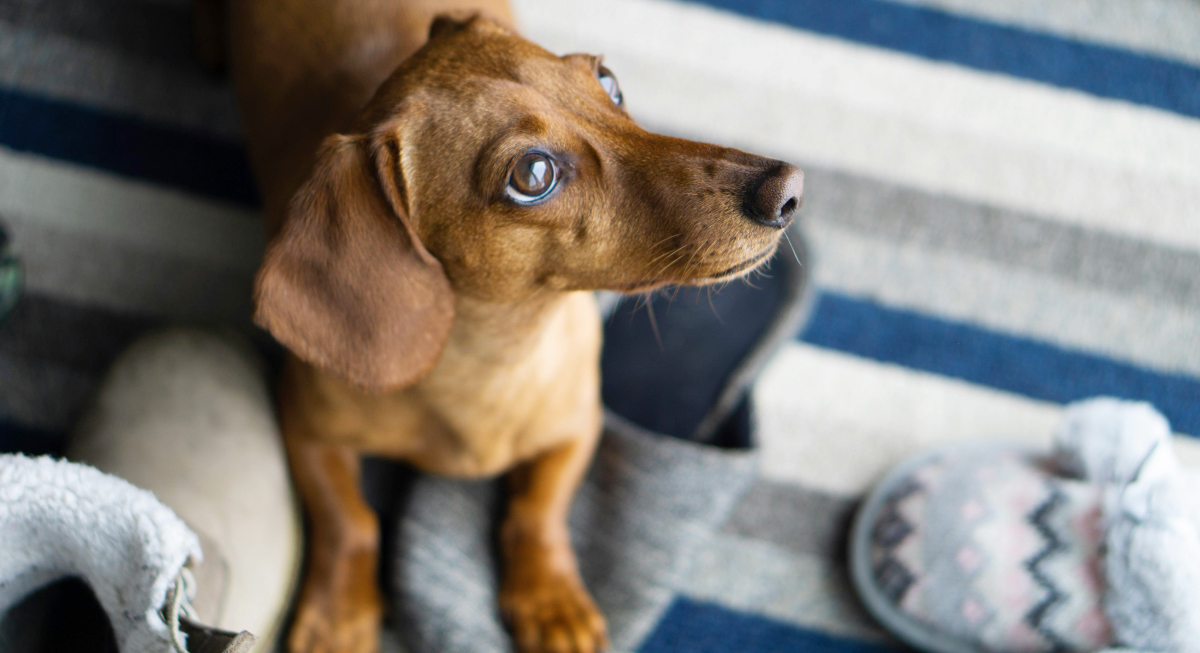
Credit: pexels
A dog that dislikes wet grass might secretly use the indoor rug on rainy days, so your house-training plan needs consistent rules. Take the dog outside after sleep, meals, and playtime, and always reward outdoor success right away. Use indoor gates to limit freedom until training improves. Also, clean up accidents with a special enzymatic spray to eliminate odors, and avoid scolding after the fact, as it may only teach them to hide.
Jumping Off Furniture
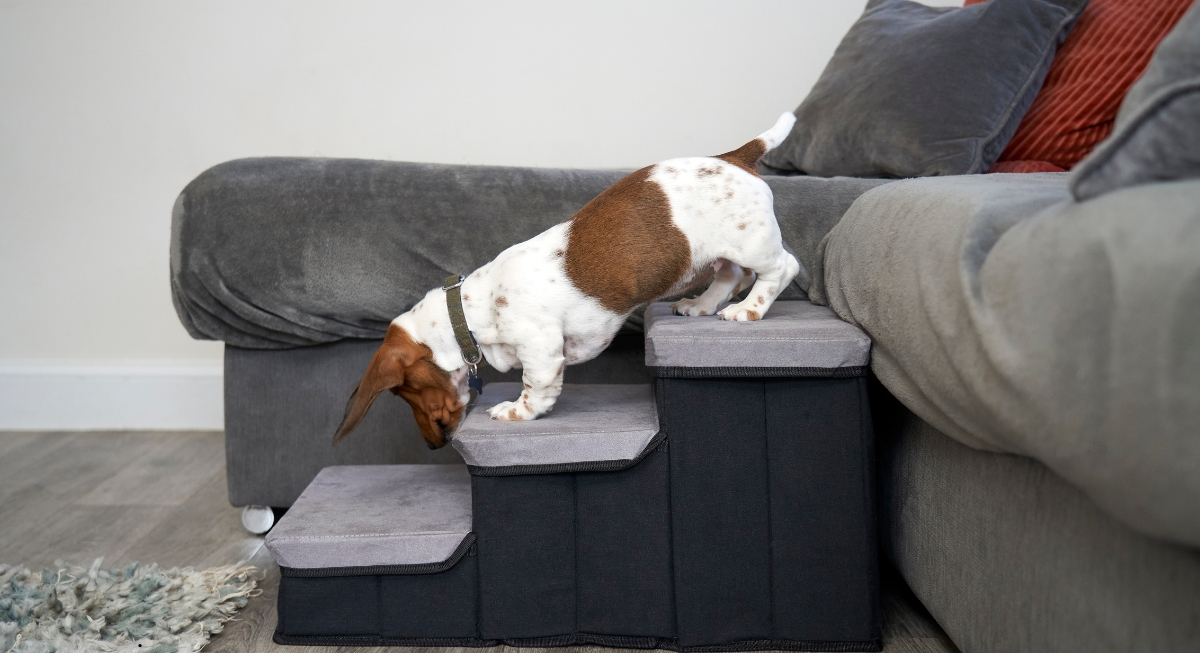
Credit: Getty Images
Dachshunds have long backs and face a high risk of painful spinal disease. So, while a couch jump looks cute, good habits can protect them from getting hurt. Place steady ramps near favorite furniture and train your dog to use them instead of jumping. Also, block off tall beds when you are away.
Digging Up The Yard
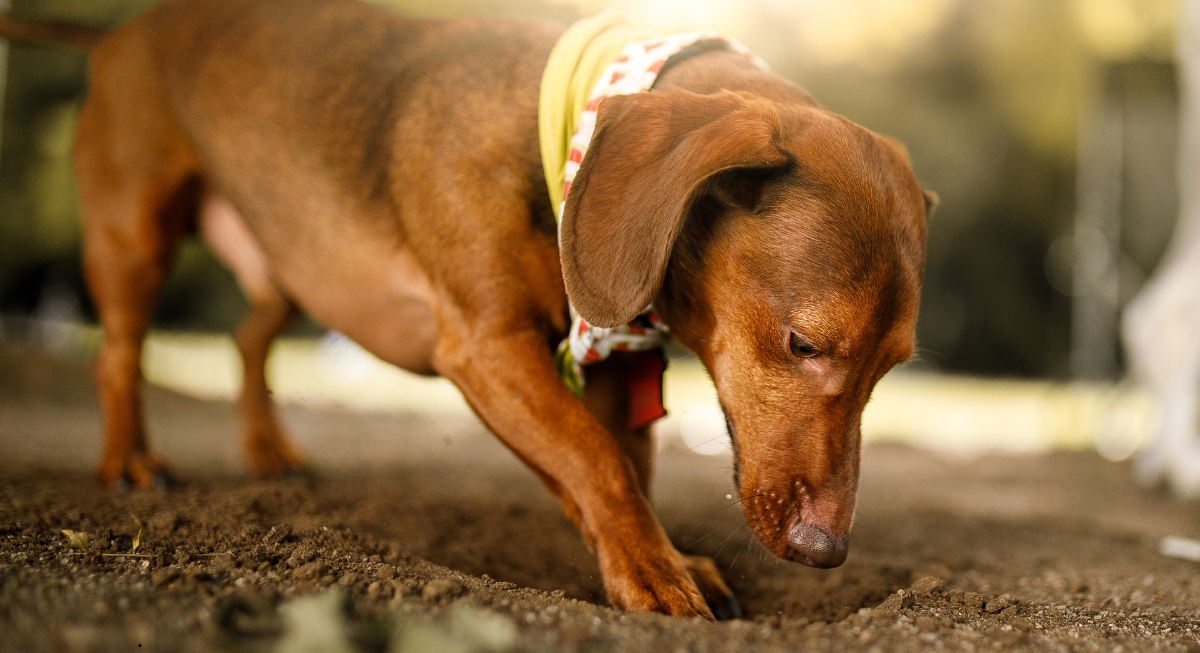
Credit: Getty Images
Dachshunds were bred to hunt underground, making garden flower beds highly tempting. Punishing the urge rarely works, so it is better to redirect it. A dedicated digging box filled with sand or loose soil gives the dog a safe place to scratch and play. Hiding toys inside can also be a fun game. Daily exercise and food puzzles should also keep your backyard safe from unwanted digging.
Ignoring Recall
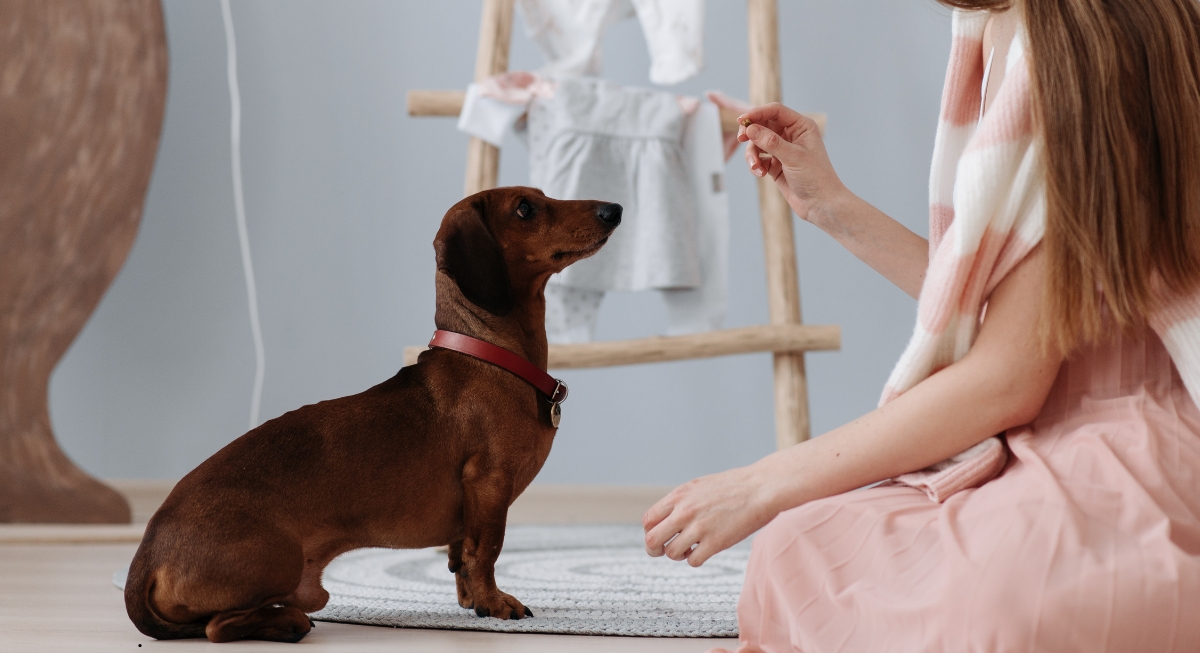
Credit: pexels
That cheerful “come here” can lose badly to a squirrel trail. Teach the dog to come back indoors by using high-value treats and calling out only once. When the dog arrives, reward them with a treat. Practice outdoors using a long leash for safety. Finally, never use the command for baths, nail trims, or other chores your Dachshund hates, or they will learn to ignore you.
Guarding Valued Things
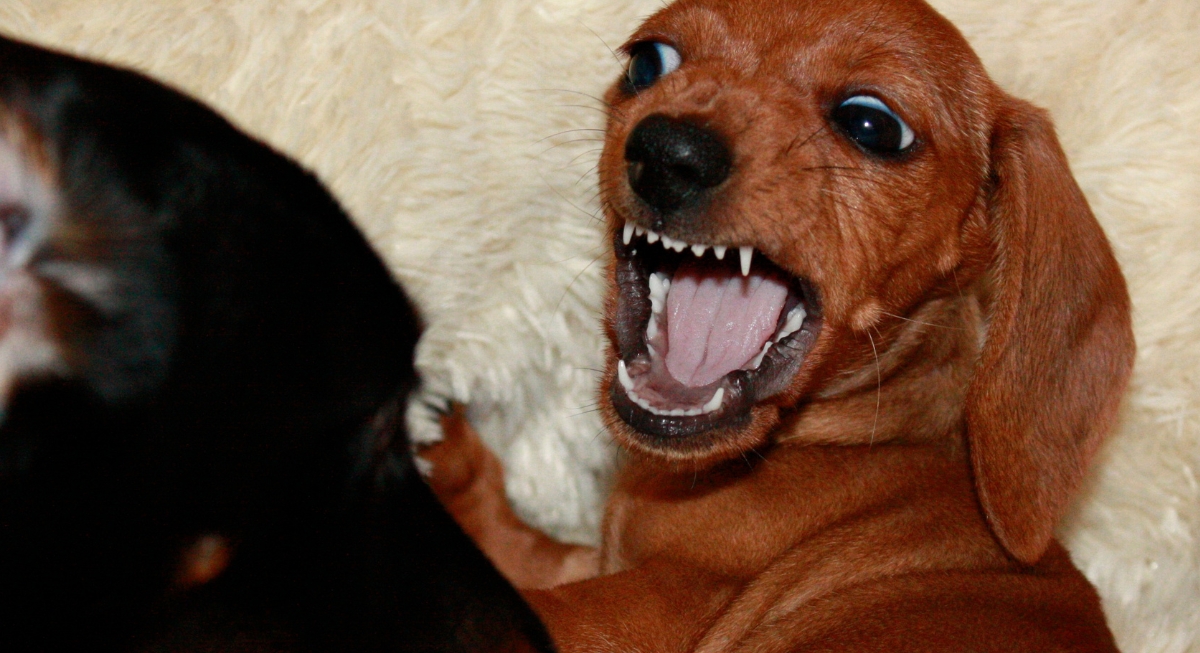
Credit: Getty Images
Some Dachshunds become protective of food, toys, or favorite chews. If your dog growls when someone gets too close, avoid turning it into a struggle by taking the item away. A better approach is to teach trades, where your dog gives up the item in exchange for a treat. The “drop it” command can also help prevent problems before they become serious. If guarding behavior includes snapping or escalating aggression, contact a professional trainer for guidance.
Begging At Meals
Credit: Getty Images
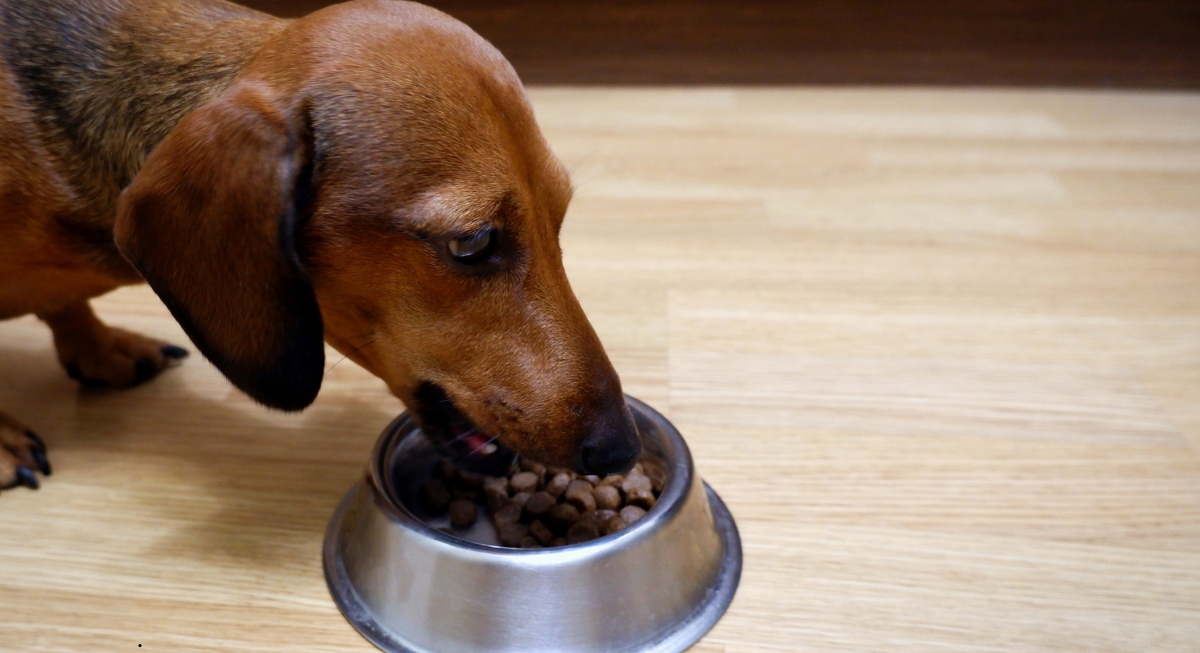
Mealtime can become a challenge when your Dachshund learns that sitting near the table sometimes leads to a snack. The easiest way to break the habit is to stay consistent. Feed your dog before you eat, then give them a chew toy or a spot to settle nearby. Reward calm behavior, and make sure everyone in the house follows the same rules. Even an occasional table scrap can encourage them to keep trying.
Nipping And Biting
Credit: pexels
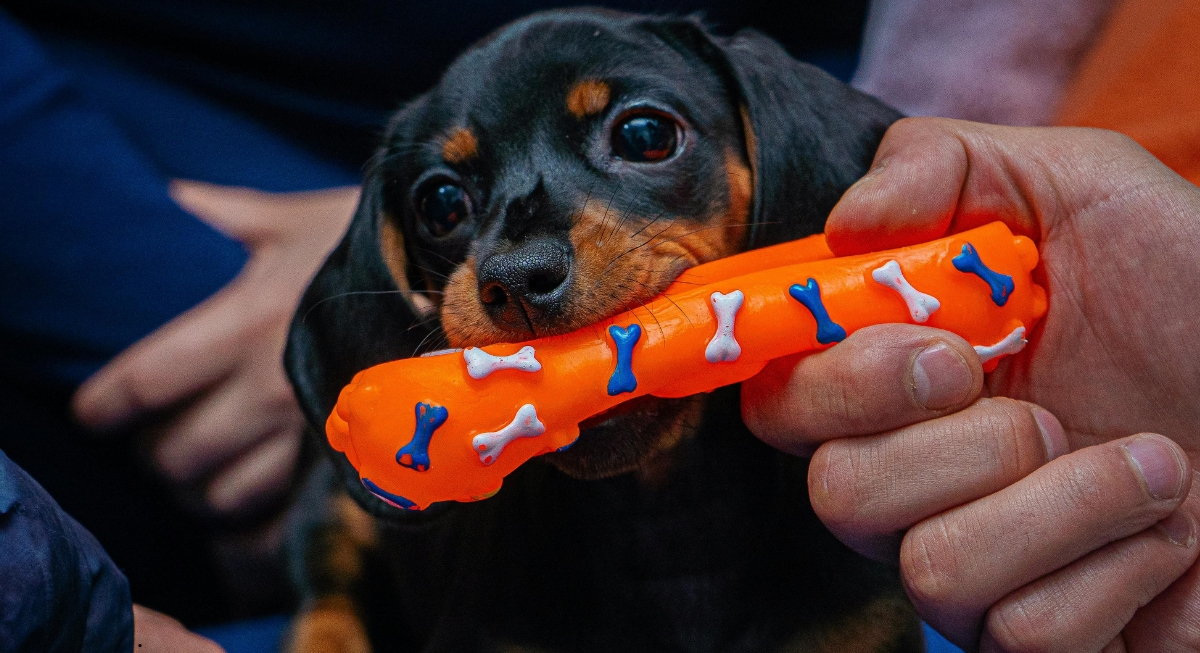
Puppies need quick, boring feedback when they nip. Simply hand them a toy, stop playing when teeth touch skin, and resume only after they calm down. Adult biting requires detective work to identify the cause, like pain, fear, or guarding behavior. A sudden new bite warrants a vet check. For repeated biting, seek professional help.