10 Terrarium Setup Mistakes That Put Pet Reptiles at Risk
A terrarium can look perfectly fine on the surface with clean glass, a working lamp, and water in place. Everything seems normal, but then your reptile starts eating less, struggles to shed, or keeps trying to get out. Since reptiles depend so heavily on their environment, even minor setup issues can quickly turn into serious health problems. These are the kinds of mistakes that are easy to miss but worth catching early.
Heating Only One Way And Calling It Done
Credit: Getty Images
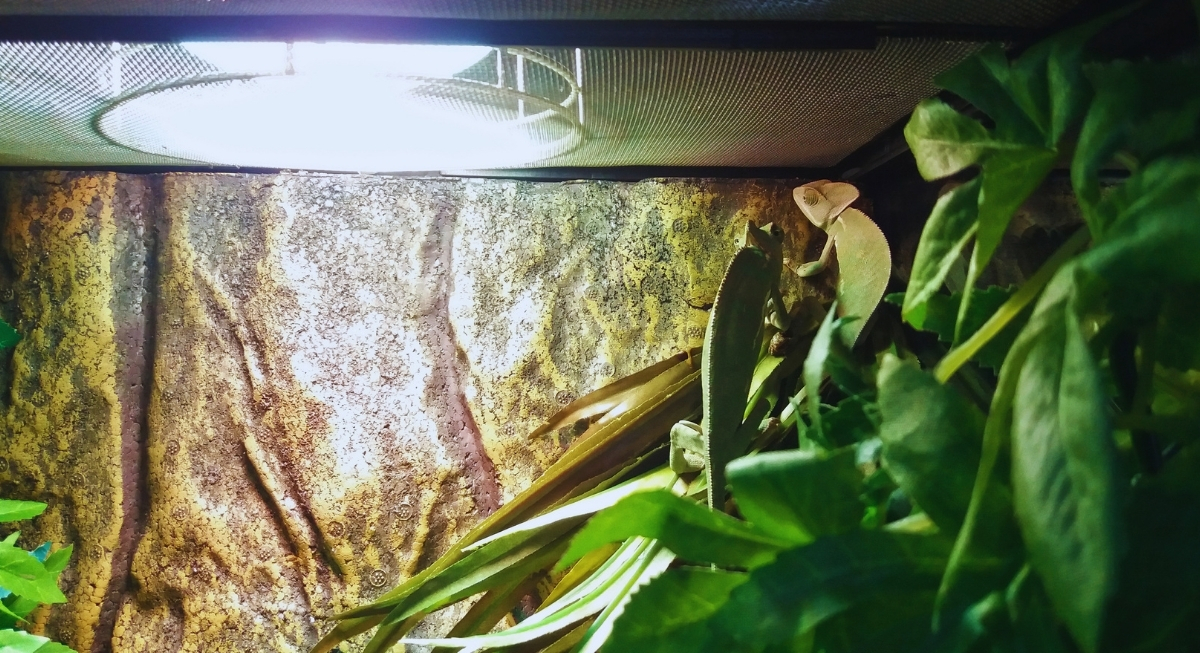
Studies show that these animals use external heat to regulate their body temperature, so they move between warm and cool areas to stay healthy. One thermometer under the heat lamp only tells half the story. Always add a second thermometer on the cool side. Guesswork becomes dangerous when a pet stops eating or digesting food properly because the cage setup is wrong.
Treating Bright Light Like UVB
Credit: iStockphoto
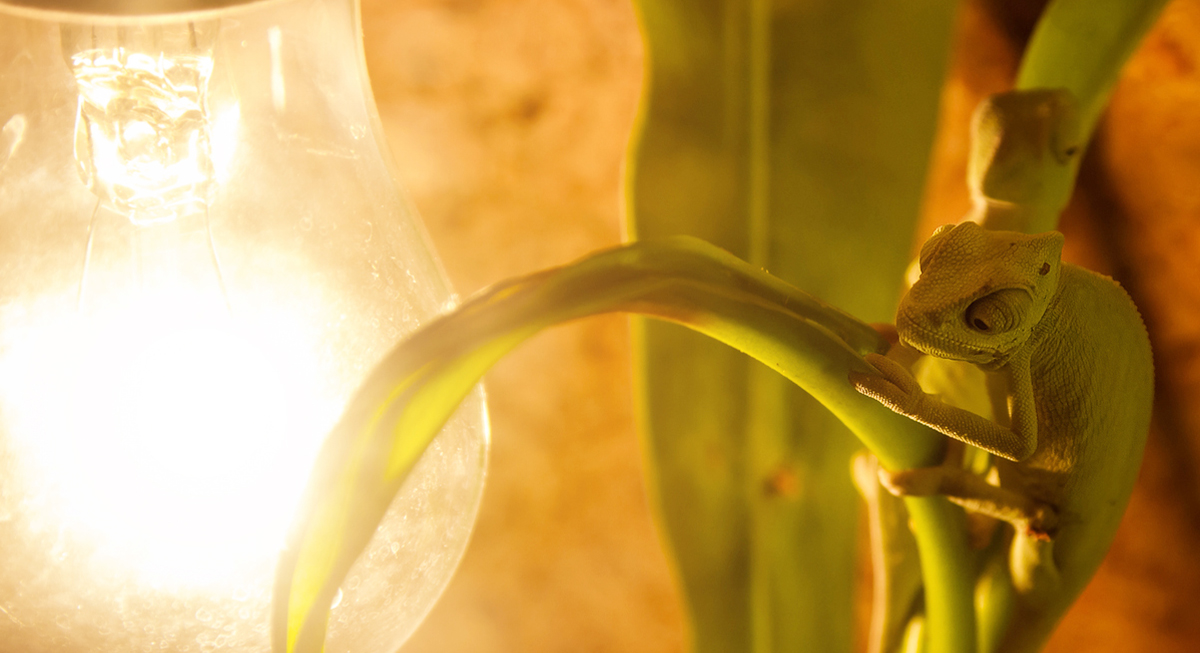
VCA Animal Hospitals notes that ultraviolet light helps reptiles produce vitamin D3, which is needed for calcium absorption. Diurnal species require UVB light, while nocturnal lizards and snakes have different needs. Old bulbs pose a hidden trap because they keep shining even after their useful UV output fades. Rely on the manufacturer’s bulb replacement schedule rather than the visible glow alone.
Choosing Bedding Because It Looks Natural
Credit: Getty Images
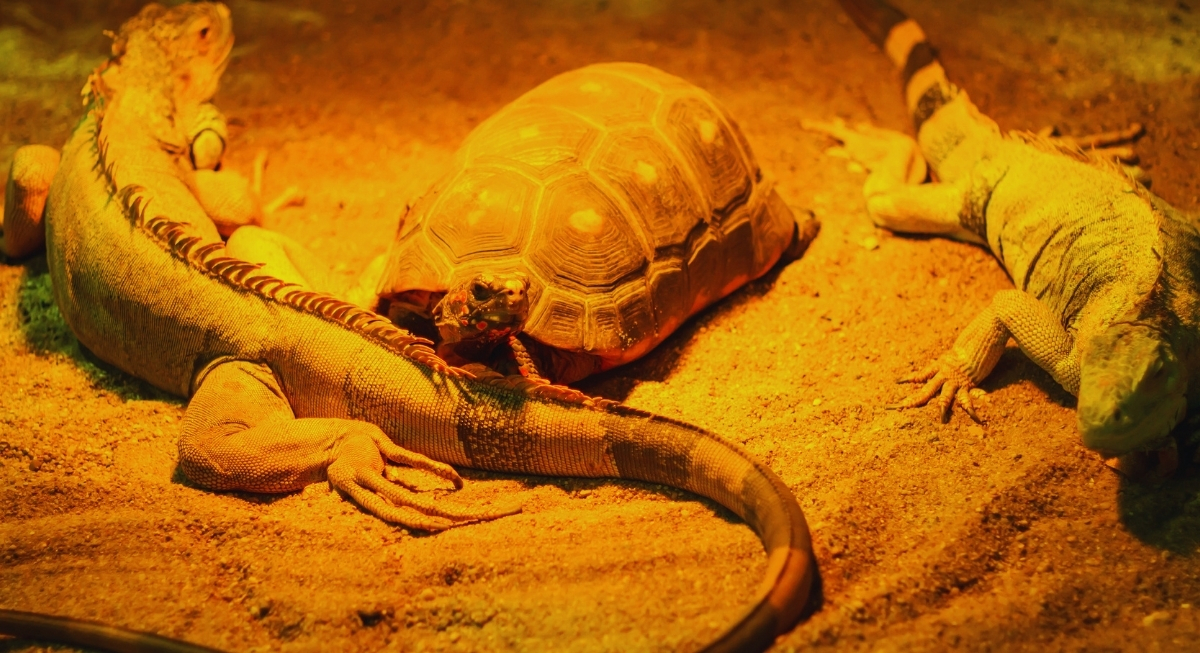
Bedding that looks natural is not always the safest choice for a reptile. The type of substrate can affect feeding and overall health. Loose materials can stick to food and get swallowed by accident, and dusty options may irritate sensitive species. What works best really depends on your reptile, the tank’s humidity, and how often you clean it. It is better to choose based on function rather than just appearance.
Letting The Water Bowl Become The Bathroom
Credit: Canva
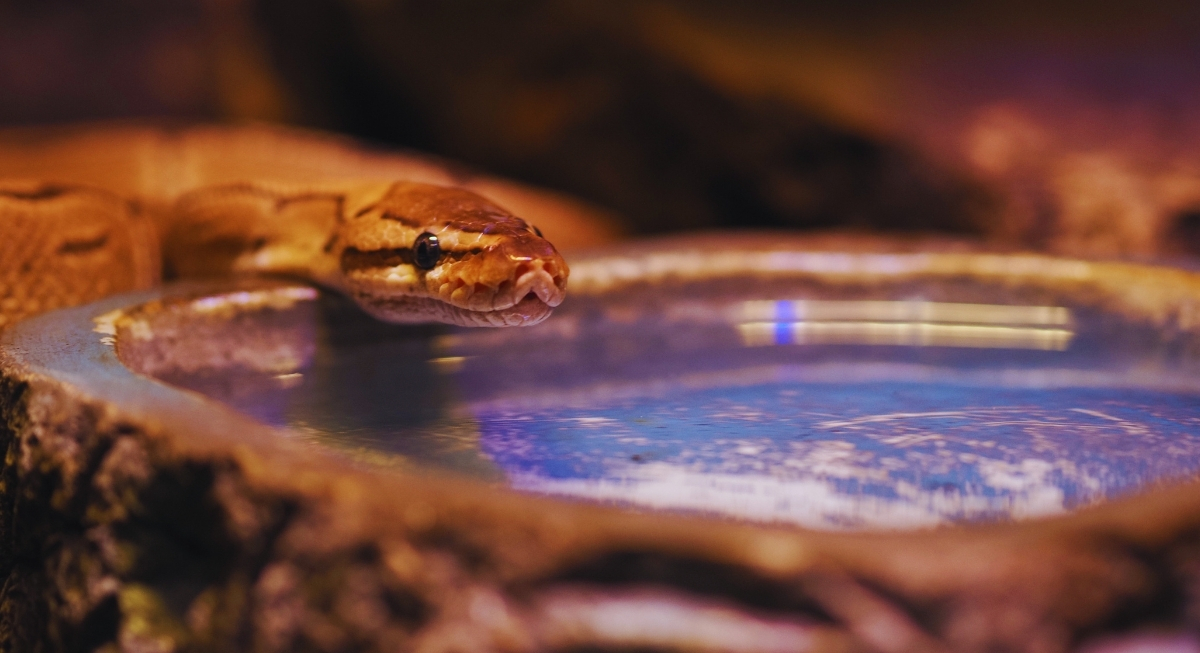
Water bowls get dirty quickly. Reptiles often soak in them, drag bedding inside, or leave waste behind. The CDC warns that reptile food, tank water, and habitats can carry Salmonella and other germs. You must provide fresh water and wash your hands, even if the animal looks clean. Turtle tanks require a lot of care because the water can double as their living space and drinking water every day.
Leaving Prey In Overnight
Credit: iStockphoto
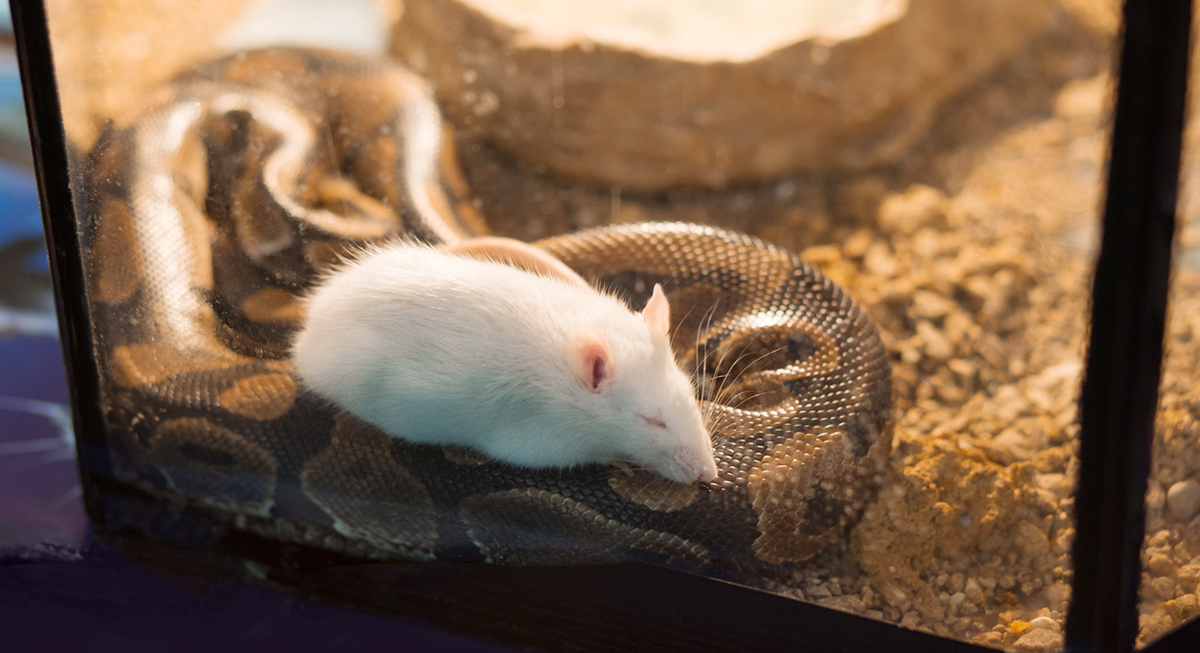
Reptile feeding time needs a clear end. The MSD Vet Manual advises against live rodents because they can injure your pet. Leftover feeder insects can also bite or irritate a reptile’s eyes and healing skin. Frozen-thawed rodents are a much safer choice for snakes. Never leave uneaten crickets in the tank overnight, and always remove leftover food after a supervised meal so your pet can rest safely.
Trusting A Lid After One Quick Push
Credit: iStockphoto
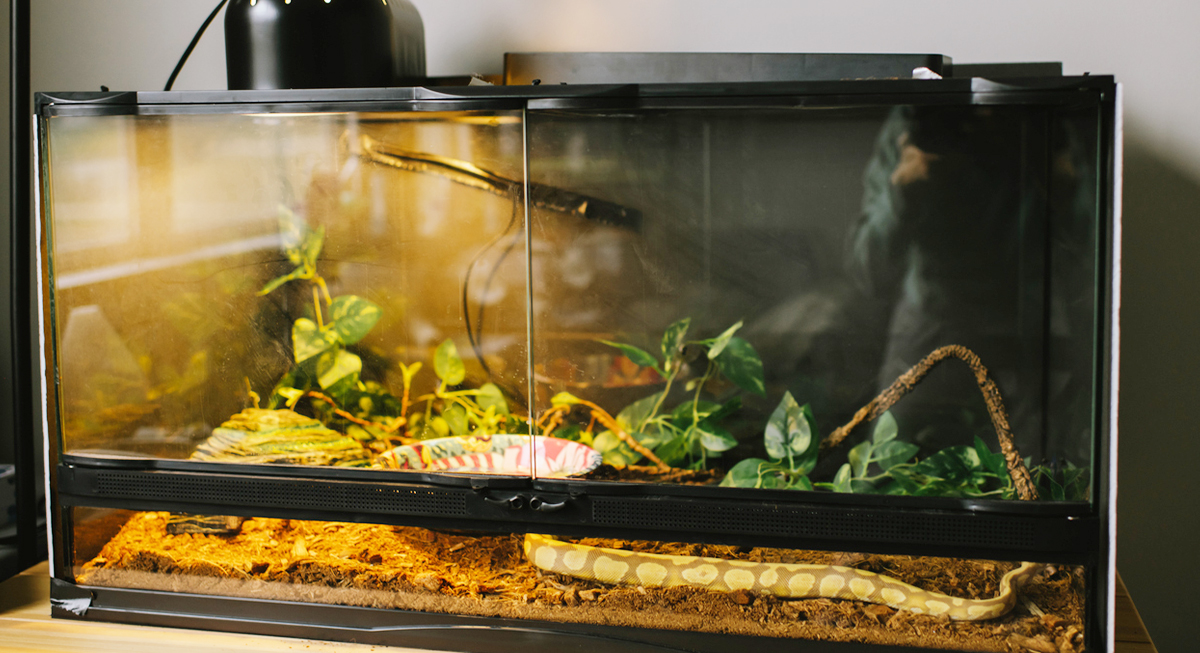
A lid that seems secure after a quick push can still fail under pressure. Small gaps are often enough for reptiles to slip through. Snakes can squeeze through loose corners, while lizards push at doors or mesh openings. The RSPCA advises that enclosures, including bearded dragon setups, must be fully secure and hazard-free. After cleaning, always recheck clamps, latches, and screen tops. Reptiles are persistent, so the enclosure needs more than a quick test.
Adding Plants Before Checking The Risk
Credit: pexels
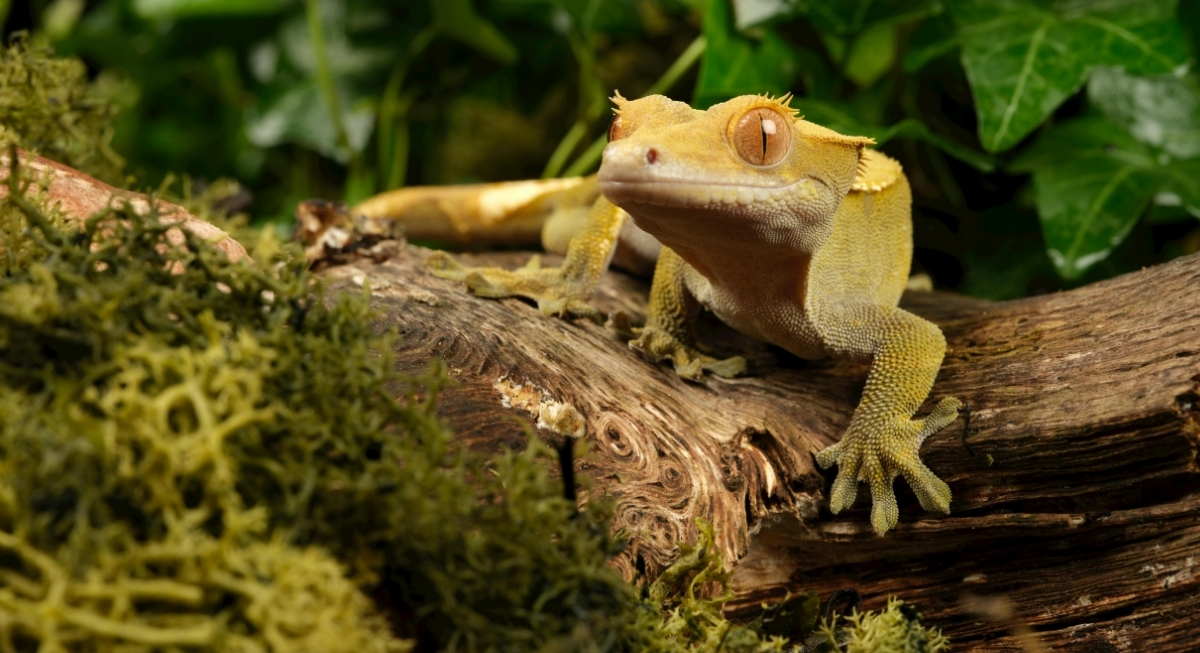
Tortoises don’t check if plants are safe before eating them. Because plant-eating reptiles sample live greenery, choose your decor carefully. If you are unsure about a plant, keep it out of the enclosure until a reptile vet confirms it is safe. Fake plants also need an inspection for sharp edges or loose parts. Pretty decorations must always be tough and safe enough to handle clumsy reptile behavior.
Guessing Humidity By Looking At The Glass
Credit: pexels
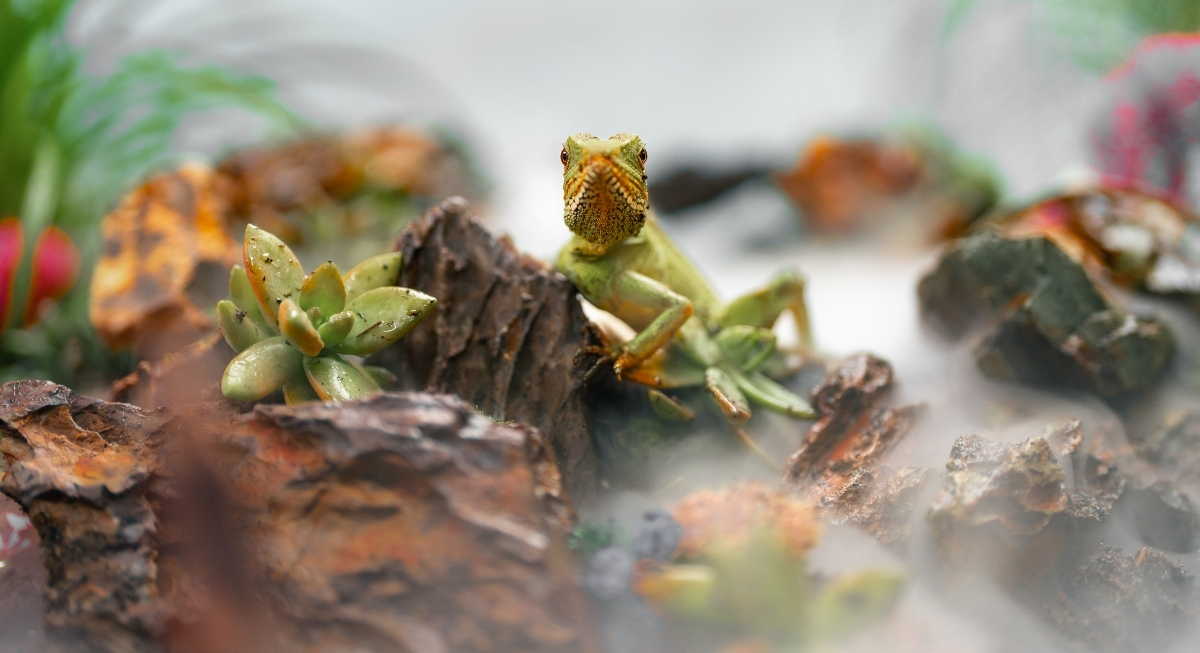
Foggy glass only shows that moisture exists, not the actual amount. Reptiles need precise temperature and humidity zones to stay healthy. Low humidity makes skin shedding difficult,t while high humidity could harm desert species. A hygrometer gives owners an exact number to monitor. Perfect humidity levels also depend on the specific reptile species, rather than the room conditions.
Buying The Starter Tank And Forgetting The Adult
Credit: Getty Images
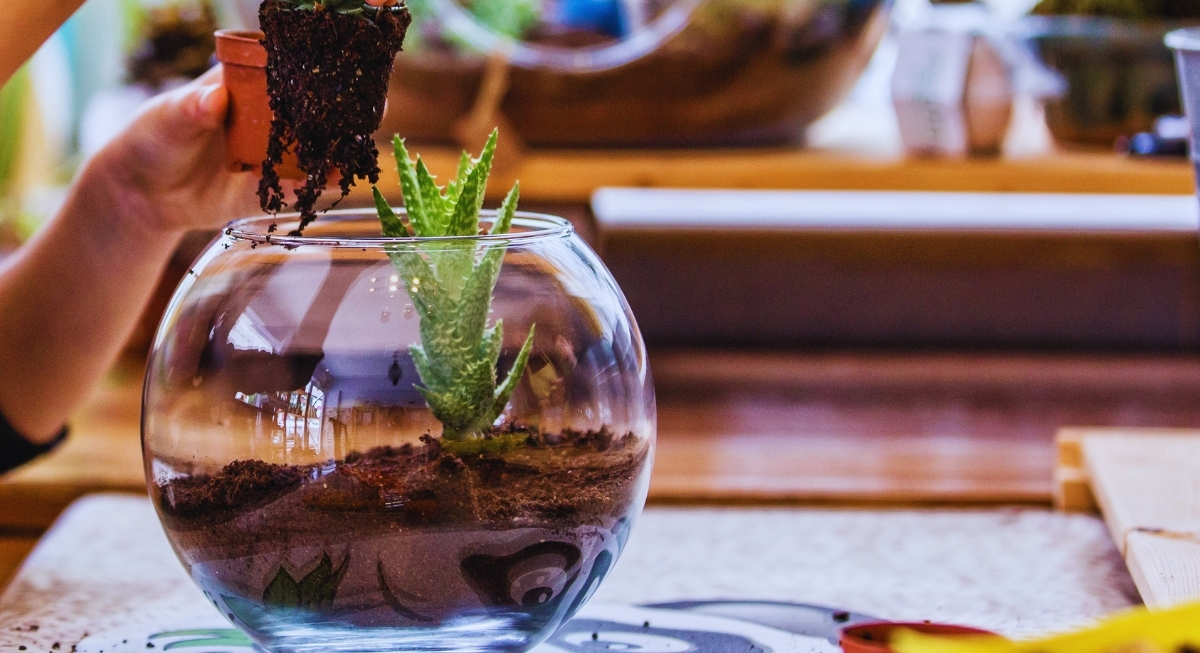
Tiny reptiles outgrow small tanks very quickly. As they grow into adults, they need much more space. Depending on the species, they might require longer enclosures, stronger heat lamps, taller branches, or bigger water bowls. The CDC notes that reptiles live for many years. A baby setup is not always suitable as a permanent home, so buyers must plan for the full adult size before bringing a pet reptile home.
Putting Roommates Together For Company
Credit: Canva
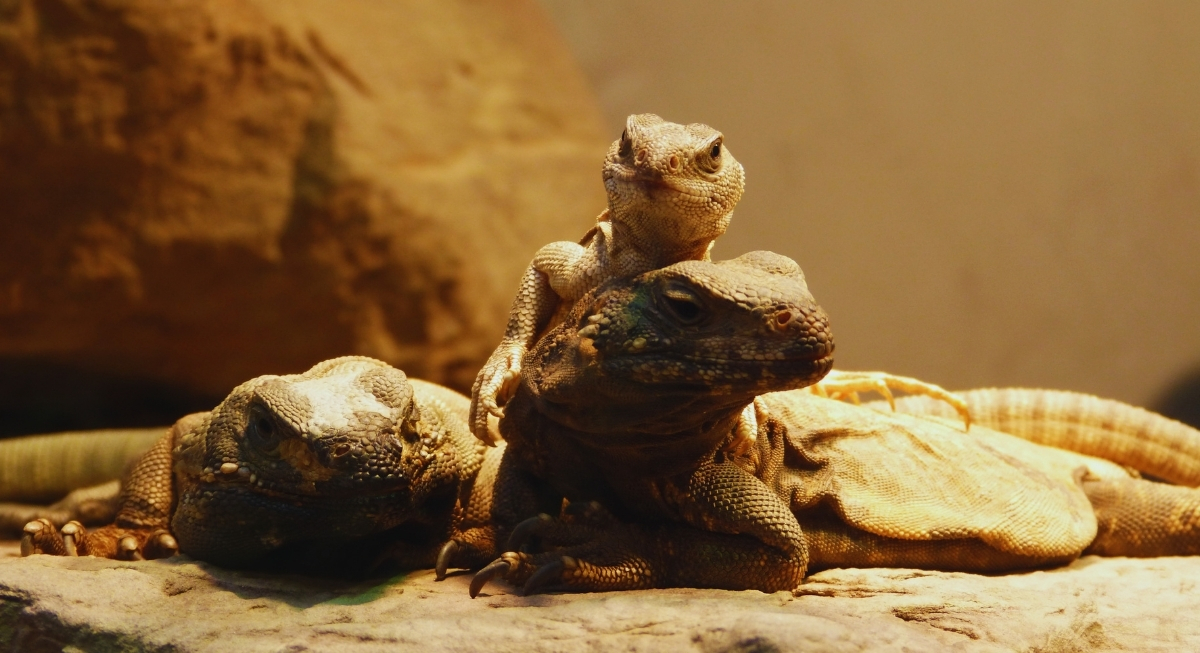
In shared enclosures, one animal could take the best basking spot, block hiding spaces, or steal all the food. Experts warn that this constant competition causes heavy stress. New pets also need separate quarantine housing to stop hidden illnesses from spreading. Keeping reptiles in their own enclosures might seem less fun, but it keeps them healthy and makes care much simpler long term.