What Pet Trainers Wish Owners Knew About Reading a Dog’s Calming Signals
Dogs are constantly communicating with us, but not always in ways we expect. There are some recognizable signals, such as a wagging tail or a bark, but there are many other, more subtle ones that dogs use every day. What makes these moments easy to miss is that they don’t stand out as “behavior” in the way barking or jumping does. But trainers read them differently.
The term “calming signals” was popularized by Norwegian dog trainer Turid Rugaas, who identified dozens of behaviors dogs use to ease tension and communicate discomfort. Some of the most common include lip licking, yawning, looking away, turning the body, sniffing the ground, raising a paw, freezing, shaking off, and moving more slowly than usual.
Individually, these actions can seem meaningless. A dog might yawn because they’re tired or sniff because something smells interesting. But trainers look at the bigger picture.
If a dog suddenly starts licking its lips when a stranger approaches, or repeatedly turns away during an interaction, the behavior may serve a completely different purpose. The dog is communicating that the situation feels uncomfortable or overwhelming.
Stress Doesn’t Always Look Scary
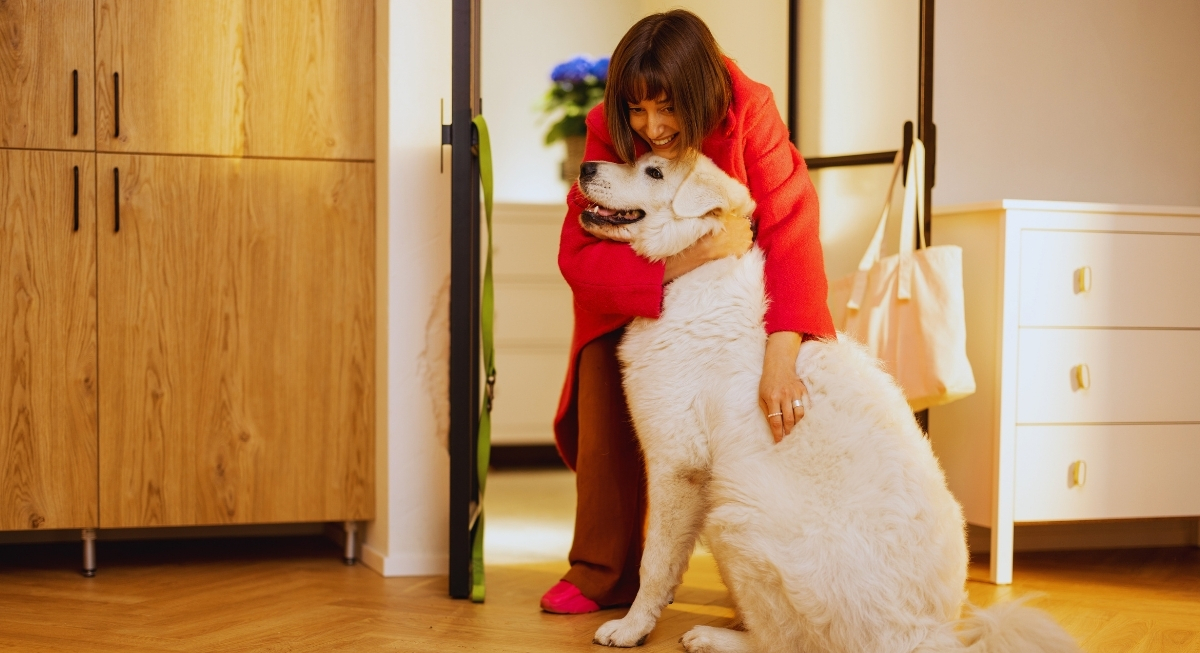
Image via Getty Images/RossHelen
One of the biggest surprises for many owners is that calming signals aren’t limited to fearful situations. Dogs can display the same behaviors when they’re excited, overstimulated, confused, or trying to process a lot of activity at once.
A dog greeting a family member after a long day might jump, run in circles, shake off, and then settle down. Trainers often view that shake as the dog releasing tension and regulating excitement before returning to a calmer state. That distinction is important because owners sometimes assume stress always looks fearful. In reality, excitement and anxiety can produce similar body language.
Why Looking at One Body Part Doesn’t Work
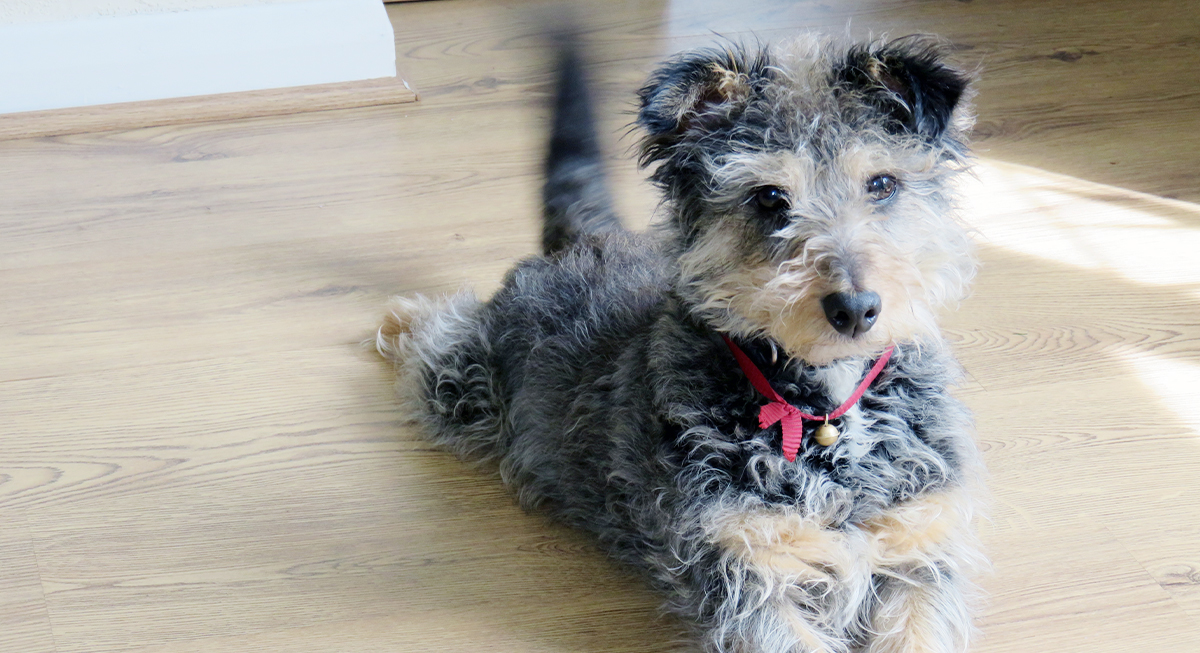
Image via iStockphoto/Charlotte Amelia Poe
Many dog behavior experts caution against interpreting a single signal in isolation. Tail wagging is a perfect example. A wagging tail can indicate happiness, anticipation, uncertainty, or even agitation, depending on the rest of the dog’s posture.
To better understand, trainers pay attention to the entire body, including ear position, eye contact, facial tension, tail carriage, weight distribution, and movement patterns. All of these contribute to the message. A dog with a wagging tail and a loose, wiggly body is communicating something very different from a dog with a stiff posture, a fixed stare, and tension around the mouth. Reading only one piece of the puzzle can lead owners to miss what their dog is actually trying to say.
The Moment Trainers Step In
Many training professionals see calming signals as an early warning system. A dog that glances away, sniffs the ground, and starts licking its lips around another dog is often communicating discomfort before the situation escalates. Waiting until barking or lunging begins means several earlier opportunities were missed.
This is why trainers often adjust the environment as soon as they spot these signals. They may increase distance, slow down an introduction, reduce pressure, or end an interaction altogether. The goal isn’t to push dogs through stress, but to recognize stress early enough that it never builds into a bigger problem.